

Signs of ADHD in Adult Women
Attention Deficit Hyperactivity Disorder (ADHD) has various symptoms that can make life difficult. Women are often under more pressure to take care of their children, maintain healthy relations and work.
ADHD sufferers are more likely than others to hide their symptoms or adopt compensatory behavior. This can cause feelings of isolation and frustration.
1. It is difficult to concentrate
ADHD symptoms for women can be worsened by hormonal changes during menstrual cycles. These fluctuations, which include low progesterone and low estrogen can make it difficult to concentrate.
Memory issues and other cognitive impairments can cause problems with concentration for adult women. This can make it difficult to complete tasks that require focused attention, like studying writing, reading, or engaging in an interaction.
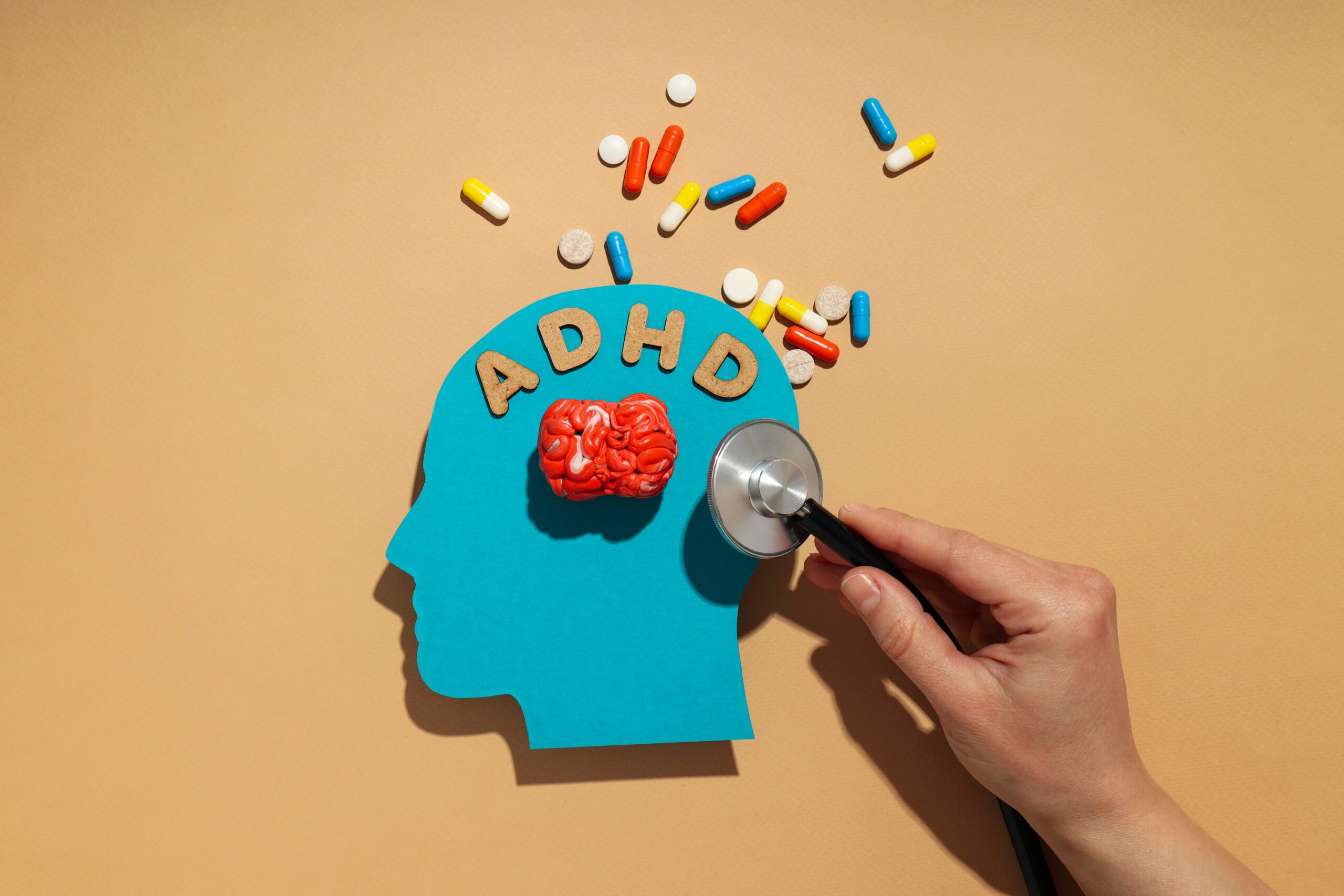
It is important for women who are having difficulty focus to pinpoint the root cause so that they can get the right treatment. A mental health professional can help to develop coping strategies and develop new strategies to focus on school or work.
Difficulty concentrating can also be an indication of depression or anxiety, which is a reason to see a doctor. People who are depressed frequently have trouble focusing due to the fact that they feel overwhelmed and do not have enough motivation.
A mental health professional can test your hormone levels to determine whether your difficulties with concentration aren't getting better. They may also recommend treatment, such as cognitive therapy or medication.
It is crucial to find a mental health professional who has experience in treating ADHD in women. They can provide you with assistance, a place to talk about and vent your feelings, and assist you understand your disorder.
adhd in young women can help you identify your issues and help you understand the impact of the illness on you and your family. They can help you develop strategies for coping and encourage self-advocacy. This will help you find an approach to living that is healthier. You will also be able to reframe your experiences and feel more confident about your situation.
2. A difficult time remembering things
AdHD can cause women to have trouble remembering things and getting things done. This can affect every aspect of their lives, from school and work to social gatherings and household chores.
While it is common to forget things from time to time, ADHD could be a indication that you're having trouble remembering important details. This includes important dates, people's names and other important facts and important events.
Memory issues can also be an indication that you might be suffering from a condition that affects your visual or spatial perception, such as Alzheimer's disease or dementia. If you're concerned that memory loss is having a major impact on your daily life it's an ideal idea to speak to your doctor.
ADHD can also be characterized by difficulty controlling your emotions and communicating yourself. This can make it difficult to complete everyday tasks. It could also result in negative coping strategies which could be detrimental to your health and relationships.
It's also possible that might have other mental health issues, such as anxiety and depression, in addition to your ADHD. These conditions can mask your symptoms and make it difficult for doctors to diagnose you with adhd.
It is crucial to speak with your doctor regarding ADHD symptoms. Your doctor can assist you identify the problem to receive treatment and get your life back on the right track.
The signs of ADHD in women of adulthood can be confusing and depressing but it's possible to overcome them. Recognize the signs and symptoms and take the necessary steps for the treatment you need.
3. Irritability
There are many causes for irritation. Talk to your doctor to find ways to reduce these feelings and improve your mood.
Irritability is an inevitable part of life however, if it becomes chronic or even extreme it could be a sign of an underlying disorder. If your irritability has been linked with anxiety, depression, or ADHD and you are experiencing it, you should seek medical attention to identify the cause and get treatment.
ADHD sufferers often struggle to manage their emotions. This can be a frustrating experience for them and for their family members and friends.
A study conducted in 2012 showed that ADHD sufferers are unable to activate the brain area responsible for feeling emotion. This area needs feedback signals to be activated.
This condition can cause excessive impulsivity and poor decision making. It's also more likely for those who suffer from ADHD to feel rage.
A few studies suggest that irritability is an early predictor of other mental health issues later in life.
Although it might seem easy it isn't, but knowing how to control your breath can help you control anger and irritation. When you breathe correctly you'll be able to relax and release your body's natural calming chemicals called endorphins.
Your brain will be less likely to relive those unpleasant feelings, which will make you feel more peaceful and well-balanced.
Your therapist might be able to recommend strategies to control your irritability in the event that you are unable or unwilling to control it. This could include exercise, mindfulness or medication, seeking out ways to support yourself and avoiding certain situations which can trigger your anger.
While you may be having difficulty dealing with irritability on your own, there are ways that you can do to alleviate the pain and frustration. You can implement good sleep habits, seek out social support, and keep a gratitude journal.
4. Difficulty making decisions
Despite the prevalence of ADHD in adult women the condition is often misdiagnosed or often misdiagnosed. It could be due to the fact that adhd symptoms are difficult to identify.
The most common symptoms of adhd in adults are trouble making decisions, difficulty paying attention, and confusion. These symptoms can make it difficult to make crucial decisions such as what next.
If you are struggling to make decisions, it can affect your social or professional life. It is possible to experience difficulties deciding what to wear, where to go, and what to buy.
You might also struggle to concentrate during conversations, particularly when they're lengthy. Sometimes, you'll wander off in a tangent during conversation or you may end up daydreaming or "zoning in" without even realizing.
These signs can lead to an impulsive behavior, as well as other issues. They can also undermine relationships. This can result in frustration and confusion for both you as well as the people around.
ADHD symptoms in adult women can include poor time management, poor listening skills and a tendency to not to remember details. These issues can cause you to make numerous mistakes like not finishing tasks on time or completing incomplete work.
It is a good idea for people who are struggling to make decisions to seek professional assistance. This can help you overcome your problems and lead a healthier life.
Sexual risky behavior is more prevalent among ADHD females. They are more likely to engage in early intercourse and are less protected from sexual intimate relationships, and have an increased risk of contracting sexually transmitted diseases as well as unplanned pregnancies. These behaviors are often accompanied by social stigma, which can increase their social and occupational problems as well as increase their risk of sexual harassment, violence and exploitation.
5. It is difficult to pay attention
Many women suffering from adhd find it hard to focus on the things they need to focus on. They may also struggle with finishing tasks or projects in time.
The symptoms of this type of ADHD tend to be more severe when people are stressed or anxious. They may also be more impulsive and disruptive in their behavior.
If you find that someone you know suffers from this kind of ADHD, talk to them about it. This could be a great way to help them feel better about their own condition and self-esteem.
This type of ADHD can lead to difficulty listening to others. They might interrupt people and talk about other things when they are talking. They might also be angry or annoyed with other people.
This can also cause problems with relationships. They may have trouble remembering other people's birthdays or making plans with them. They might also not be able to plan and organize their lives effectively.
Adults who are going through life transitions or changes can have a difficult time experiencing irritation or impatience symptoms. For instance, if they are going to college or moving to a different city.
Usually this type of irritability or impatience symptoms will go away once they've received the attention and help they require. If they persist in your life it's time to seek assistance.
You're likely to face a variety of expectations from society as an adult woman. This can lead to anxiety and frustration. These include caring for children, family, and other duties, in addition to being punctual and organized at work. These are areas that can make you feel like a failure or inadequacy.